Honouring Culture, Heritage & Love: Why Choosing a Celebrant Who Understands Multicultural Weddings Matters

By a Sydney Celebrant Supporting Intercultural & Interfaith Couples
Weddings today beautifully reflect the blending of lives, families, traditions, and histories. Many modern couples come from different cultural or religious backgrounds, and they want their ceremony to honour both — respectfully, authentically, and meaningfully — without necessarily holding a formal religious service. That’s where choosing a celebrant experienced in multicultural and interfaith ceremonies becomes invaluable.
Your ceremony should feel like a true reflection of who you are together — not a compromise between two worlds, but a celebration that gracefully weaves them into one shared story.
Why Cultural Understanding in a Celebrant Is So Important
A skilled celebrant doesn’t simply read a script. They listen deeply, learn your story, and take time to understand your heritage, values, and traditions. When cultures or faiths differ, this sensitivity becomes essential. The right celebrant will:
Respect traditions from both families
Understand symbolism and meaning
Pronounce names correctly
Acknowledge family expectations with care
Create a ceremony that feels inclusive and harmonious
This ensures your wedding isn’t just beautiful — it feels authentic and honouring for everyone present.
The Power of Blending Traditions Without a Religious Ceremony
Many couples want to include meaningful rituals from their backgrounds while still keeping their ceremony modern, personal, and non-religious. An experienced celebrant knows how to incorporate these elements respectfully and seamlessly.
Example: Including Jewish Wedding Traditions in a Civil Ceremony
Couples may wish to honour Jewish heritage without holding a synagogue ceremony. A knowledgeable celebrant can thoughtfully incorporate symbolic elements such as:
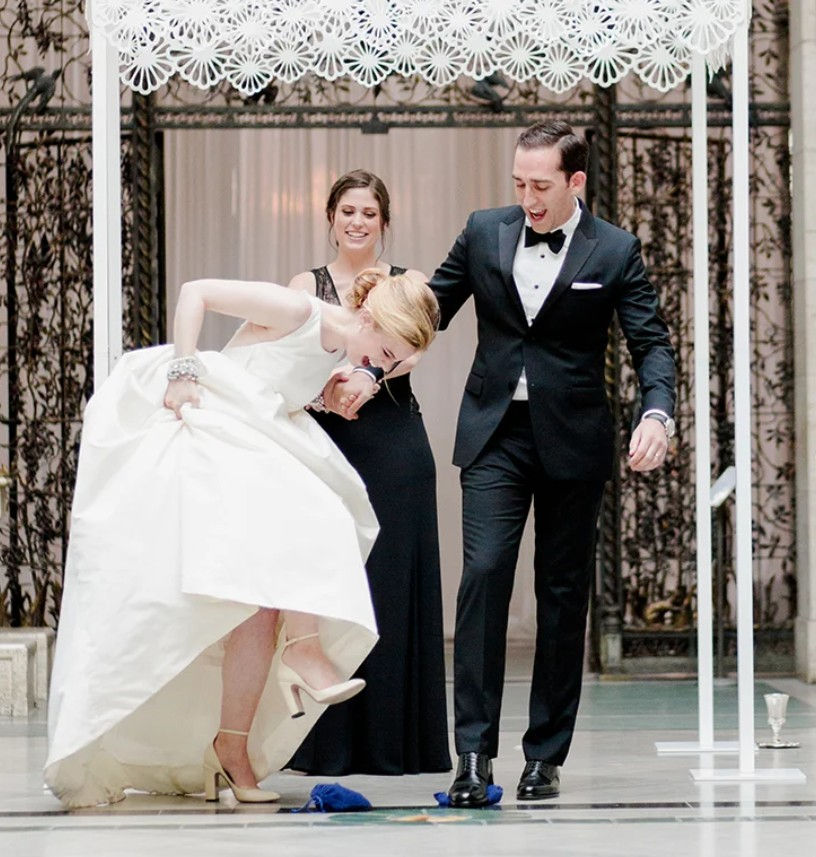
The Chuppah – representing the home you will build together
Breaking the Glass – symbolising remembrance, commitment, and the fragility of relationships
Seven Blessings (adapted) – spoken in a personalised or contemporary form
Signing a Keepsake Certificate – inspired by the Ketubah tradition
When guided properly, these rituals can be woven into a ceremony that feels natural rather than staged — meaningful rather than performative.
Benefits of Choosing a Celebrant Experienced in Cultural Ceremonies
1. Sensitivity & Respect - A culturally aware celebrant understands the significance behind traditions and presents them appropriately.
2. Confidence for Families - Parents and relatives often feel reassured seeing their heritage acknowledged and honoured.
3. Seamless Ceremony Flow - Rather than feeling like separate segments, traditions are integrated smoothly into your ceremony narrative.
4. Personalised Storytelling - Your celebrant can explain rituals to guests in a warm, engaging way so everyone understands and feels included.
5. Reduced Planning Stress - You won’t need to research how to incorporate traditions yourself — your celebrant guides you through every step.
6. Unity Rather Than Division - When cultural elements are handled thoughtfully, your ceremony becomes a symbol of unity between families and backgrounds.
Perfect for Couples Who…
Come from different cultural or religious backgrounds
Want to honour heritage without a formal religious ceremony
Have families with strong traditions
Want a ceremony that feels inclusive and meaningful
Value authenticity and storytelling
Frequently Asked Questions
Can we include cultural rituals even if we’re not religious? Yes. Many traditions are symbolic rather than religious, and they can be beautifully adapted for modern ceremonies.
What if our families have different expectations? An experienced celebrant can help navigate these conversations and create a ceremony that respectfully balances everyone’s wishes.
Will guests understand the traditions? Absolutely. Your celebrant can briefly explain each ritual so guests feel included rather than confused.
Can we combine multiple cultures in one ceremony? Yes — and when done well, it creates a deeply moving and memorable experience.
Is it still legally recognised if traditions are included? Yes. Cultural rituals can be incorporated alongside the legal components of a marriage ceremony.
Let's Create a Ceremony That Honours Your Story and Your Heritage
If you’re planning a multicultural or interfaith wedding and want a celebrant who will thoughtfully honour your backgrounds, traditions, and families, I would love to help you create a ceremony that feels authentic, inclusive, and unforgettable.
Enquire today to check availability and receive my multicultural ceremony guide.